Norris Lab
SBCoA Lab
- Chris Norris
- Susan Kraner
- Chris Gant
- Jenna Gollihue
- Ed Rucker
- Irina Artiushin
- Blaine Weiss
- Margo Ubele
- Susan Craddock
- Colin Rogers
- Peter Hecker
- Sofia Zuluaga Osario
Spindle Top
- Chris Norris
- Margo Ubele
- Kathy Boaz
- Erin Jones
- Jennifer Mefford
- Katie McCarty
- Hollie Van Rooyan
Alumni
- Bob Sompol
- Melanie Pleiss
- Esther Putman
- Jenny Furman
- Diana (Mathis) Sama
- Hafiz Mohmmad Abdul
- Michelle Sama

University Research Professor
Pharmacology & Nutritional Sciences
Sanders-Brown Center on Aging
cnorr2@uky.edu
Curriculum vitae
My undergraduate work was at Washington & Jefferson College, where I earned a BA degree in psychology while studying infant cognition. Later, I received a MA degree in psychology at Wake Forest University and investigated prepulse modulation of the human startle response. In 1998, I received a PhD in Neuroscience at the University of Virginia where I applied electrophysiological and biochemical approaches to the study of synaptic dysfunction and memory loss during aging. Afterward, I studied under Phil Landfield at the University of Kentucky, who pioneered the “Ca2+ hypothesis of brain aging and Alzheimer’s disease”. Since 2004, I’ve been on the faculty at the UK Sanders-Brown Center on Aging where I’m honored to hold the Sylvia Mansbach Endowed Chair for Alzheimer’s Disease. I also serve as one of the Associate Directors at the Center where I help promote basic research and mentor junior faculty. My primary academic appointment is in the Department of Pharmacology and Nutritional Sciences (where I serve as Professor) and I have a joint appointment in the Department of Neuroscience. My major research Interest is in the role of reactive astrocytes in neurodegeneration
Projects: I am PI or co-PI on several NIH grants, including shared projects with my colleagues Dr. Elizabeth Head (at University California, Irvine) and Dr. Adam Bachstetter (UK, Dept. of Neuroscience). I also lead a new multilab P01 project called STAR-AD/ADRD—Strategies for Targeting Astrocyte Reactivity in AD and ADRDs) that really exemplifies the collaborative spirit of the SBCoA and University of Kentucky.
Hobbies: I enjoy spending time with my incredible family, playing my guitar, listening to music, watching college and pro football, and hiking.

Scientist III
I received my B.S. in biochemistry from the Ohio State University and a Ph.D. in biochemistry from the University of Pennsylvania. I have extensive training in protein biochemistry, molecular biology, development of viral vectors, and cell culture models. My primary research in the lab focuses on the multiple roles through which calcineurin regulates brain aging and cognitive decline, particularly through its actions in astrocytes. Recently I worked with other members of the lab to demonstrate that a novel drug (Q134R) that blocks calcineurin/NFAT signaling in cultured astrocytes, also improves synapticfunction and behavioral performance in living animals. I have also taken a lead role in developing a monoclonal antibody that targets a proteolytically-cleaved form of calcineurin that is associated with heightened NFAT activation. The goal is to use this antibody to identify unique subsets of astrocyte reactivity associated with different forms of neuropathology.
Hobbies: cooking with friends, reading and watching movies.
Scientist III
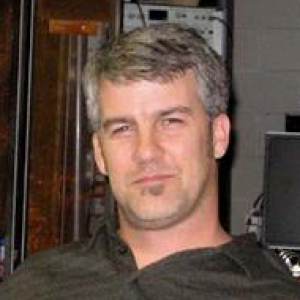
I attended the University of Texas at Dallas where I received a B.A. in Psychology (Summa cum laude), MS in Applied Cognition and Neuroscience and a Ph.D. in Brain and Behavioral Science. I worked with Dr. Phillip Landfield for my post-doc and subsequent years. I am currently working with Dr. Chris Norris, Dr. Nada Porter and Dr. Eric Blalock. My research interests relate to the mechanisms underlying memory loss associated with normal aging and neurodegenerative disease. My favorite experimental techniques are electrophysiology, calcium imaging, behavioral methods, viral delivery of transgenes to specific targeted regions of the brain and intravital dual-photon imaging. I am currently working on a large project using a vitamin D diet to reverse the effect of aging on memory loss. I have strong interests in the role of immunophilins in regulating intracellular calcium and neuronal/astrocyte function. I am beginning to study the role of astrocytes neurogenerative disease and their mechanisms of interaction with other astrocytes, other cells and the vascular system. We are currently using inducible photo thrombosis to mimic micro strokes/infarcts that are commonly observed during neurodegeneration. Using these methods, we can generate full occlusion of target vessels (stroke) or partial occlusions that result in blood flow stalls. We hypothesize that the prevalence of blood perfusion deficits/microinfarcts in aging brains plays a major role in the memory loss phenotype associated with normal aging and diseases such Alzheimer’s.
Hobbies: In my spare time I enjoy riding, building and working on motorcycles. I also enjoy gardening, sculpting, and painting (airbrush). In the lab, I like to tinker with and fabricate equipment for improved experimental design. I also have an interest in woodworking, and spending time with my lovely wife (Paris) and our Australian cattle dog (Palo).
Scientist III
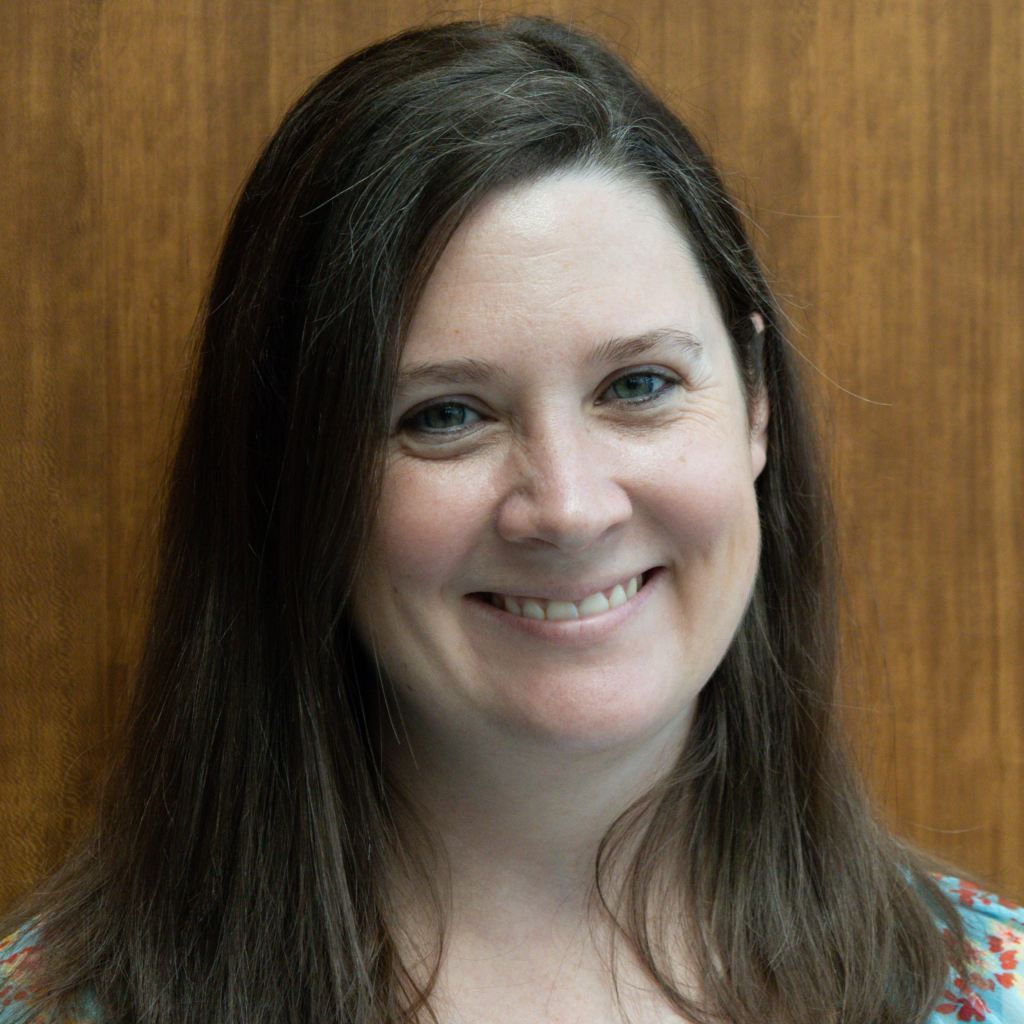
I received my Bachelor’s degree in food science at Texas A&M University, and a PhD in physiology at the University of Kentucky. I am proficient in small animal surgeries, mitochondrial bioenergetic assessments, confocal microscopy, electrophysiology, and immunohistology. My dissertation work focused on mitochondrial bioenergetics after spinal cord injury; I bring my expertise on cellular metabolism and bioenergetics to the Norris lab to research aging-related neurometabolism. With increasing interest in the role astrocytes play in neuronal metabolomics, I will utilize state of the art multielectrode arrays to investigate astrocyte-driven changes in neuroenergetics, namely the lactate shuttle and its effects on neuronal energy production in Alzheimer’s Disease. Measurements of lactate release in vivo will then be correlated to energy production, synaptic function, and eventually to cognitive behavioral function to determine the role lactate may play in neurodegeneration.
Hobbies: craft nights, visiting the Lexington breweries, and going on adventures with her family.

Scientist IV
I did my undergraduate at Vanderbilt University and obtained a M.S. at Murray State University and a Ph.D. at Texas A & M University. My skillsets include cell culture, recombinant DNA generation, genetic engineering, genome editing, embryonic stem cell modification, transgenics, knockout models (traditional, conditional via Cre-lox and FLP-FRT, inducible), virus production, cell death detection (apoptosis/autophagy), and surgical techniques. I am presently working on molecular strategies, including the generation of new transgenic mouse models, to study reactive astrocyte signaling in AD and ADRDs.
Hobbies: cooking, gardening, professional football (Seattle Seahawks), college basketball (UK), geckos/beardies, 80s music, science fiction (marvel movies/comics).

Research Analyst
I have Master’ degree from Moscow Veterinary Academy (microbiology and biochemistry major, and worked for a few years for Institute of Biotechnology, Moscow. I began PhD research at All Union Institute for Veterinary Medicine, Moscow, and completed program but did not defend, as I had to move with family to US. My skillsets include general microbiology and biochemistry protocols and propagation of different primary mammalian and plant cell culture. I have over 25 years of experience in these areas. My primary scientific contribution to the lab is making and maintaining primary neuronal and glial cell cultures. I also grow hybridoma cells and harvest monoclonal antibodies from them, when needed. Additionally, I help with histology projects, bacterial and viral propagation, and order lab supply and dofinancial reports for the lab.
Hobbies: gardening, cooking and embroidery

PhD Student
I received a BS degree in Chemistry at the University of Kentucky in 2016. Since then, I have worked in the Sanders Brown Center on Aging as a technician, and I’m now a PhD student in Pharmacology. I am specialized in several diverse experimental techniques including electrophysiology, stereotactic surgery, and two-photon microscopy. I am currently studying the functional relationship between astrocyte endfoot signaling, glutamate transporter function, and cerebrovasculature changes in Alzheimer’s disease models. In addition, I am a contributor to the Sander’s Brown Imaging Multiphoton User Group (SIMUG), providing custom applications for microscope operation and data analysis involving Ca2+ activity and vascular dynamics in-vivo. I am also experienced in cell and tissue techiques, which I’ve appied to the study of calcineurin and it’s impact on connexin gap junctions and astrocyte network changes in AD.
Hobbies: I enjoy backpacking, watersports, and caring for my large collection of houseplants.

Research Program Manager
I received a BS degree in Small Animal Science from Delaware Valley University and an MS degree in Medical Sciences from the University of Kentucky. I have broad-based academic and industry capabilities which include executing and troubleshooting molecular biological and enzymatic assays (Caspase activity, ELISA, TUNEL, Westers, PCR, qPCR, mitochondrial respiration, Lipid Phosphate Phosphotase assay), designing and implementing in vivo and in vitro experiments using various models and cell lines and experience in a GLP laboratory that also utilizes alternative testing methods. Areas of research include cardiovascular, skeletal muscle and aging, and Alzheimer’s Disease.
My current projects include 1) oversight of an NIH-funded study to determine if tacrolimus administration prevents or minimizes the development of Alzheimer’s related pathology and cognitive loss in an aging model and 2) provide fiscal management and administrative support to Project and Core leaders in a P01 grant that targets astrocyte reactivity in Alzheimer’s Disease (AD) and AD-related dementias.
Hobbies: cat herding, savoring great coffee, traveling, wine enthusiast, horseback riding, pastry/donut connoisseur, hiking, any Philly sports, concerts, and outings that include friends and good food.

STEPS
I earned a BS in Biology from the University of KY. I have a background in stroke research at UK having worked with several models of brain ischemia. One was a suture occlusion model using a TNF alpha transgenic rat. A temporary ischemic model involving manipulation of the middle cerebral artery allowed study of the pathways of neuronal death during reperfusion.
I have extensive experience in animal microsurgeries and have developed transgenic lines and managed animal colonies. My other skills include genotyping , tissue harvesting and staining, imaging, and inventory management. I am included in more than a dozen neuroscience publications.
Hobbies: I am an avid gardener whose gardens were included on the 2017 Lexington Garden Tour as well as being featured in the KET special, ‘Secret Gardens of KY’. I am also an accomplished equestrian having trained and shown my own thoroughbreds.

Scientist III
I received my BS and PhD from Auburn University before conducting postdoctoral research at the University of Florida and the University of Kentucky. I then spent time with Nikon before joining the Sanders-Brown Center on Aging in 2020. I have a wide range of experience in the neurodegeneration field with my previous work focusing on examining the molecular effects of stroke on the brain, targeting epigenetic modifications for drug development, and intravital imaging of the brain following acute and chronic neurodegeneration. I also have studied the molecular pathways involved in the onset and progression of Alzheimer’s Disease through cell culture and animal models. My recent work has focused on mouse and human brain imaging using our Nikon Bio-pipeline and the Center’s two photon microscopes
Hobbies: I enjoy going to the Spring and Fall meets at Keeneland with my family and friends, playing golf and going to all the parks with my family.
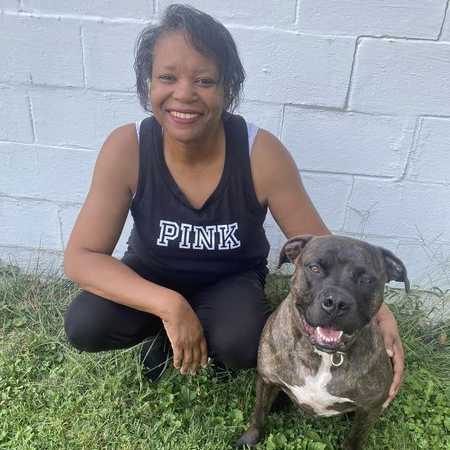
Research Analyst Principal
Spindle Top Campus
I have a Bachelor’s degree in AA General Studies Science from Midway College, and an A.A.S degree from Morehead State University. I have been a licensed veterinary technician for 29 years and am proficient in a variety of techniques and approaches including: venipuncture, radiology, anesthesia and different anesthesia monitoring devices, catheter placement (IV, Urinary), triage, and lab operations (Cytology, Blood Analysis, Urinalysis). I am currently working on an NIH-funded project that will determine if tacrolimus administration prevents the development of Alzheimer’s related pathology and cognitive loss in an aging model.
Hobbies: Cooking, Eating, Horseback Riding, Critters of all kinds, Reading, Watching TV, My most rewarding is being “Granny” to my 6- year-old granddaughter

Animal Care Supervisor I
Spindle Top Farms
I am a graduate of Morehead State University, BS, Animal Science/Equine Science. I have been an employee with the University of KY and involved in research for 10 years. Currently, I am a supervisor with DLAR and am tasked with the oversight of the care of a variety of research models. I also provide support to an NIH-funded study to determine if Tacrolimus administration will decrease the development of Alzheimer’s related pathology and cognitive loss in an aging model.
Hobbies: being a mom to four rowdy Golden Retrievers, one Rat Terrier, and three Great Pyrenees; wrangling a variety of livestock, hunting, fishing, and hiking.

Animal Care Technician III
Spindle Top Farms
I attended school at BCTC and UK, and I have worked at UK for 16 years for DLAR, providing support for various research models. The last 4 years, I have provided support for an NIH-funded study to determine if Tacrolimus administration will decrease the development of Alzheimer’s related pathology and cognitive loss in an aging model.
Hobbies: giving my dogs everything they want, falling asleep while reading, and trying not to hit anyone with my bowling ball during league matches.
Norris Lab Through the Years
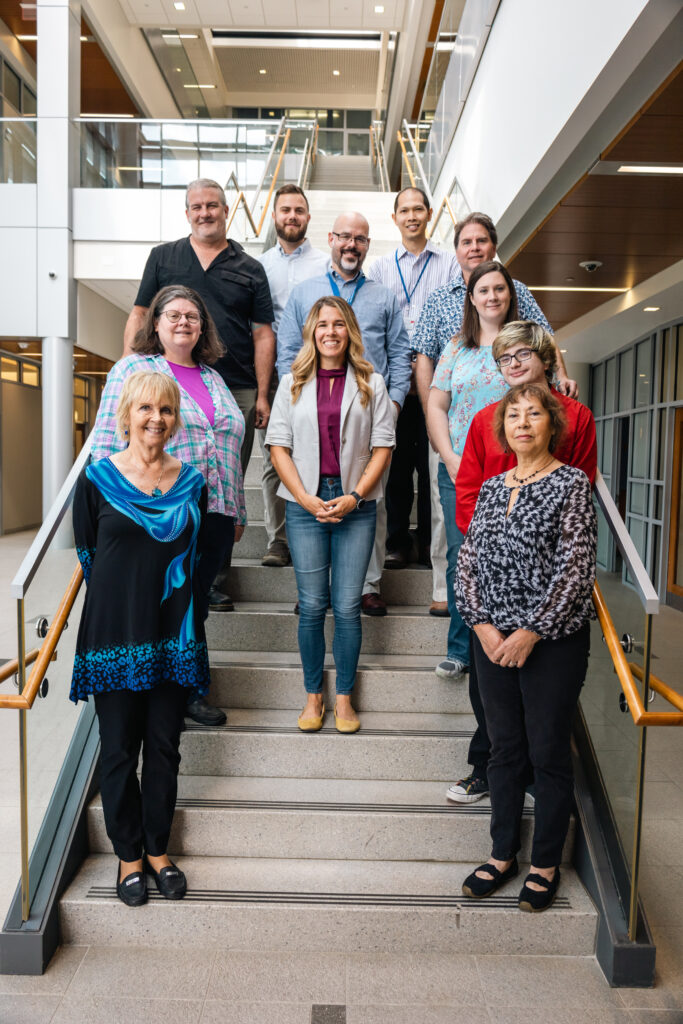
 2022 – Back: Irina Artiushin, Jenna Gollihue, Chris Norris, Margo Ubele, Susan Craddock. Front: Susan Kraner, Ed Rucker, Bob Sompol, Chris Gant, Steven Pesina, Blaine Weiss
 2021 – Chris Gant, Bob Sompol, Blaine Weiss, Irina Artiushin, Jenna Gollihue, Chris Norris, Susan Kraner
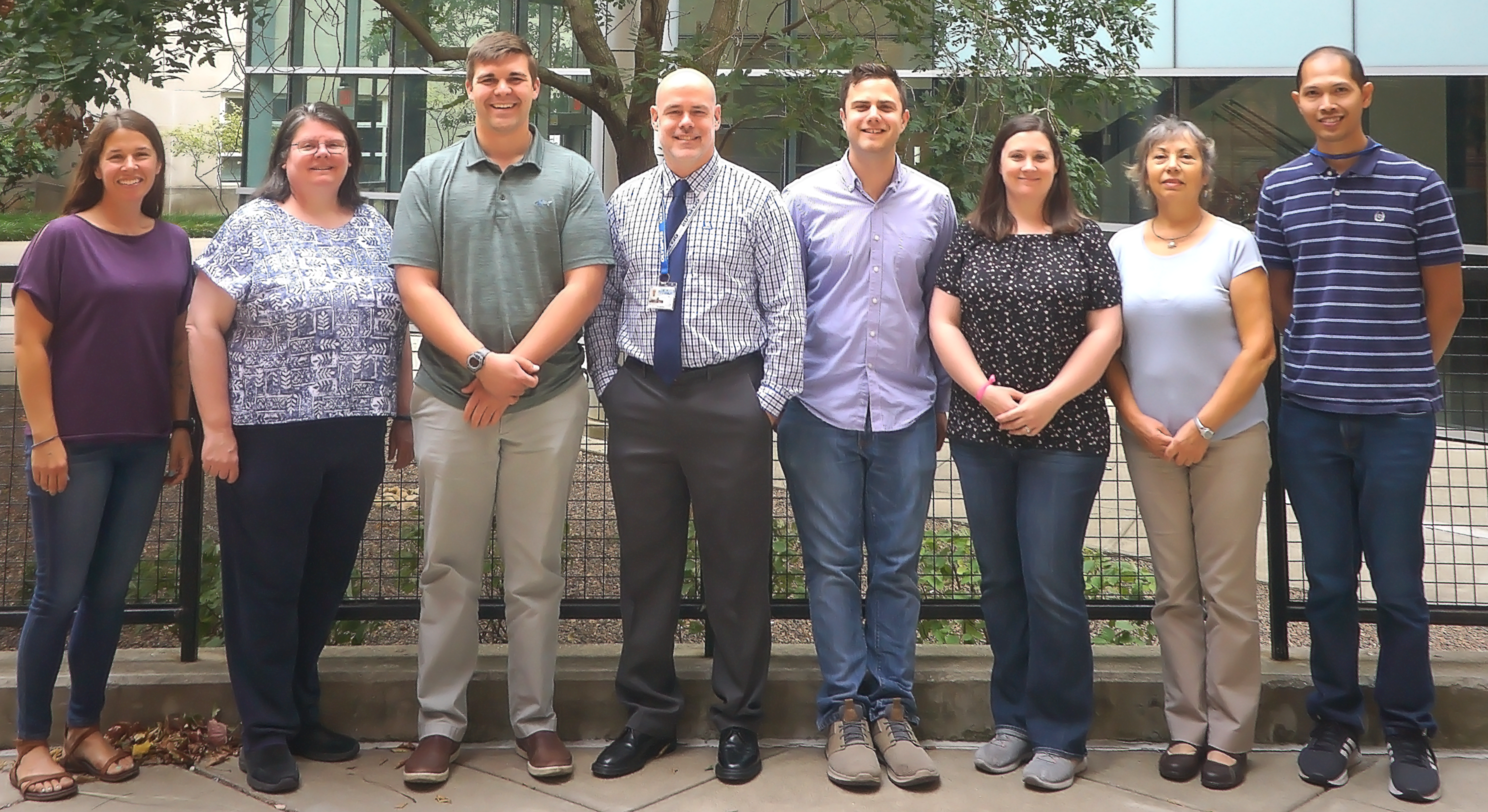 2019 – Margo Ubele, Susan Kraner, Drew Farr, Chris Norris, Blaine Weiss, Jenna Gollihue, Bob Sompol
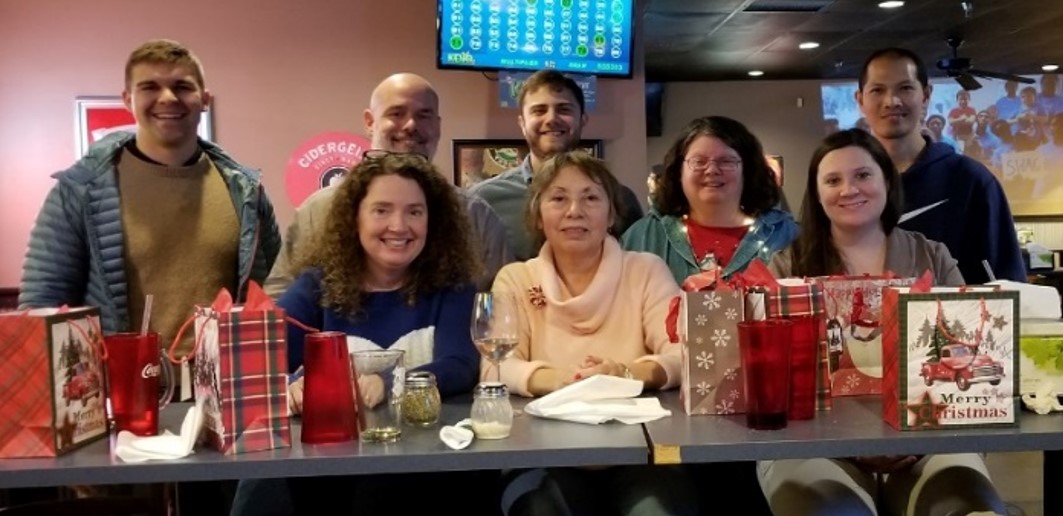 2018 – Back: Drew Farr, Chris Norris, Blaine Weiss, Susan Kraner, Bob Sompol. Front: Kelly Norris, Irina Artiushin, Jenna Gollihue
 2017 – Irina Artiushin, Jenna Gollihue, Bob Sompol, Chris Norris, Susan Kraner
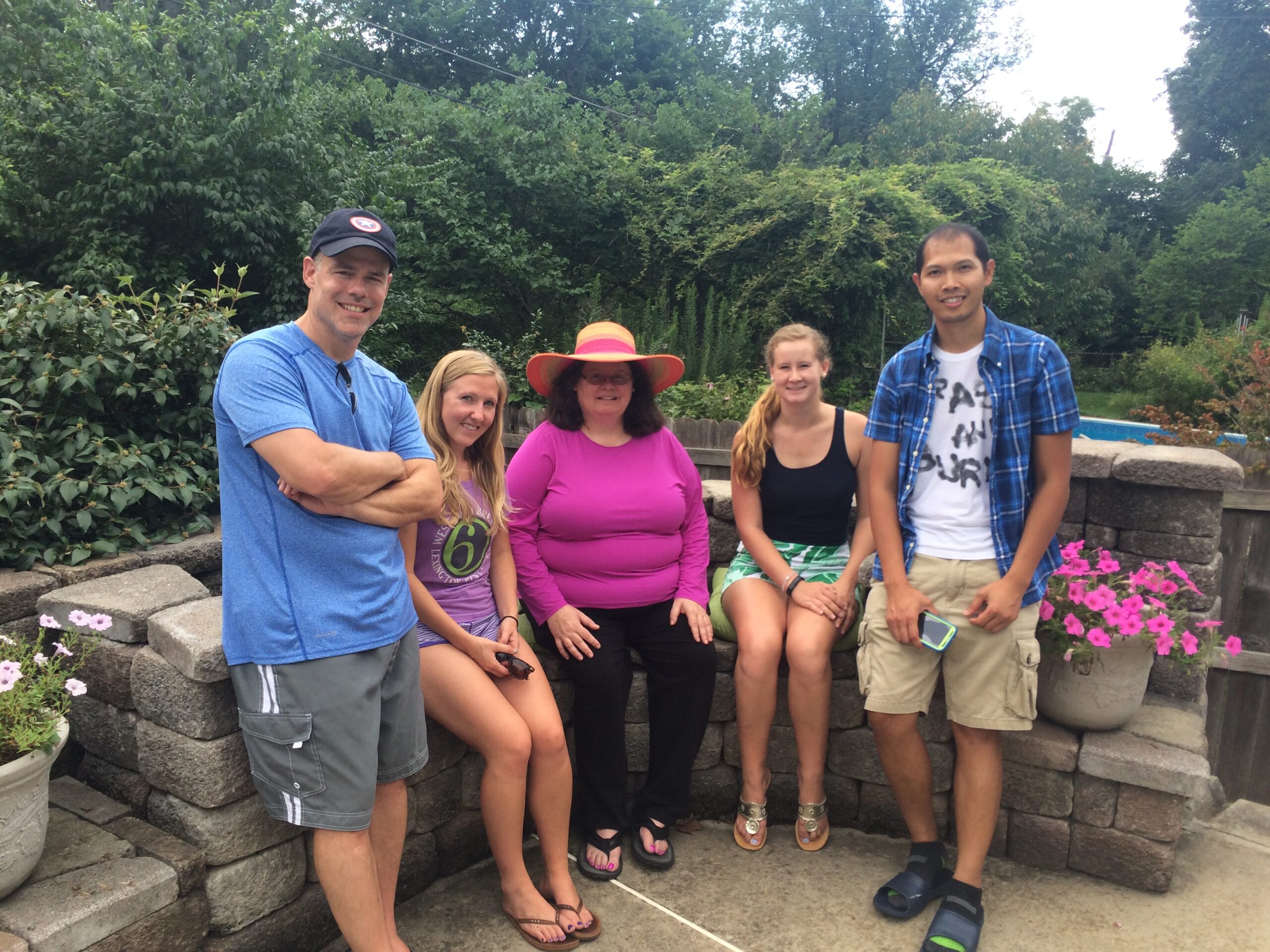 2015 – Chris Norris, Melanie Pleiss, Susan Kraner, Esther Putman, Bob Sompol
 2014 – Irina Artiushin, Melanie Pleiss, Chris Norris, Bob Sompol
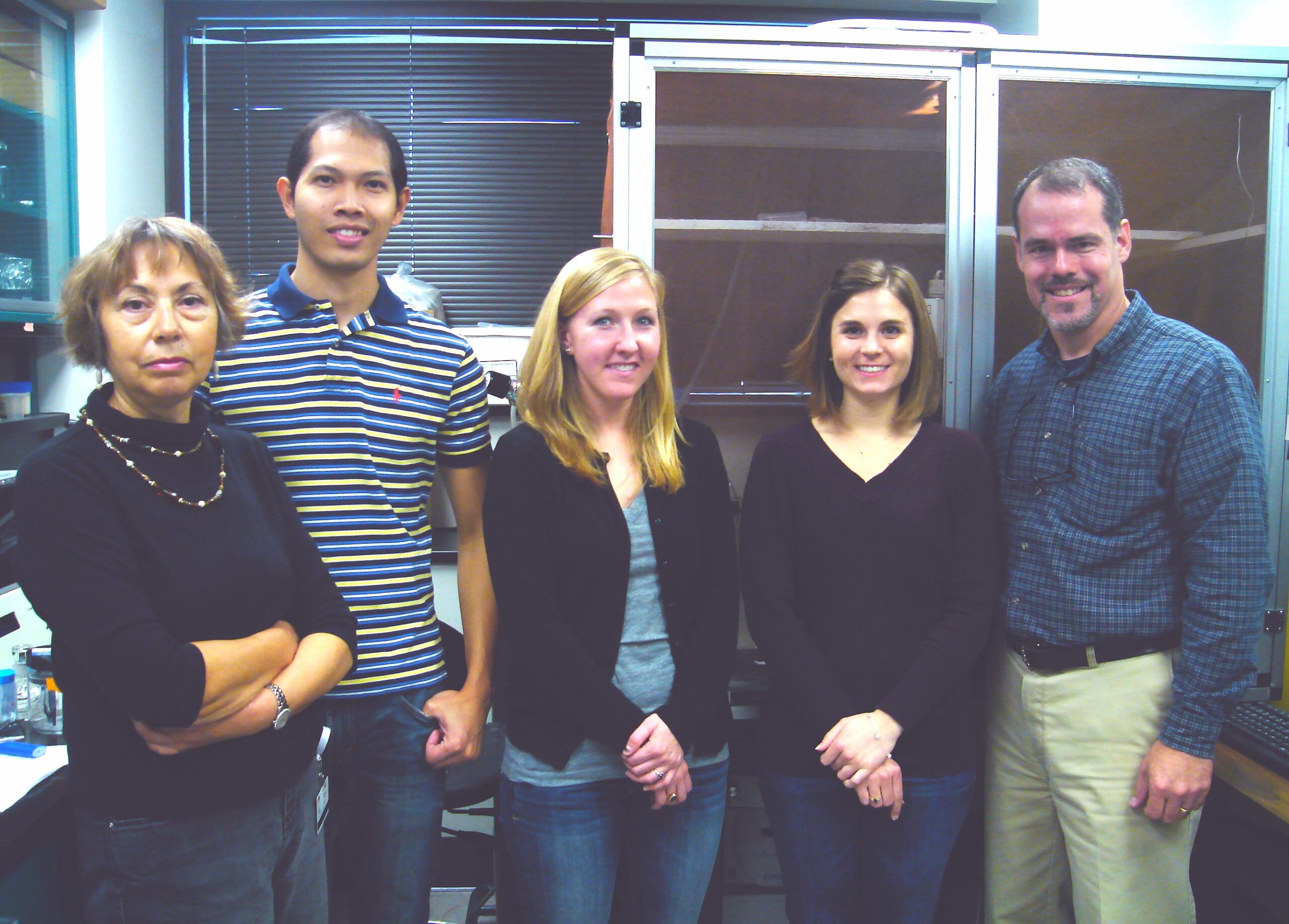 2012 – Irina Artiushin, Bob Sompol, Melanie Pleiss, Jenny Furman, Chris Norris
 2010 – Hafiz Mohmmad Abdul, Chris Norris, Diana Mathis Sama, Irina Artiushin, Jenny Furman
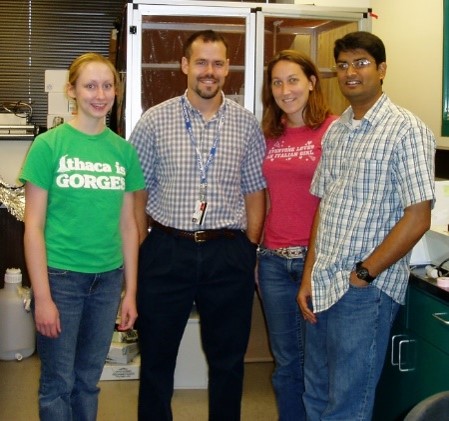 2008 – Diana Mathis, Chris Norris, Michelle Sama, Hafiz Mohmmad Abdul
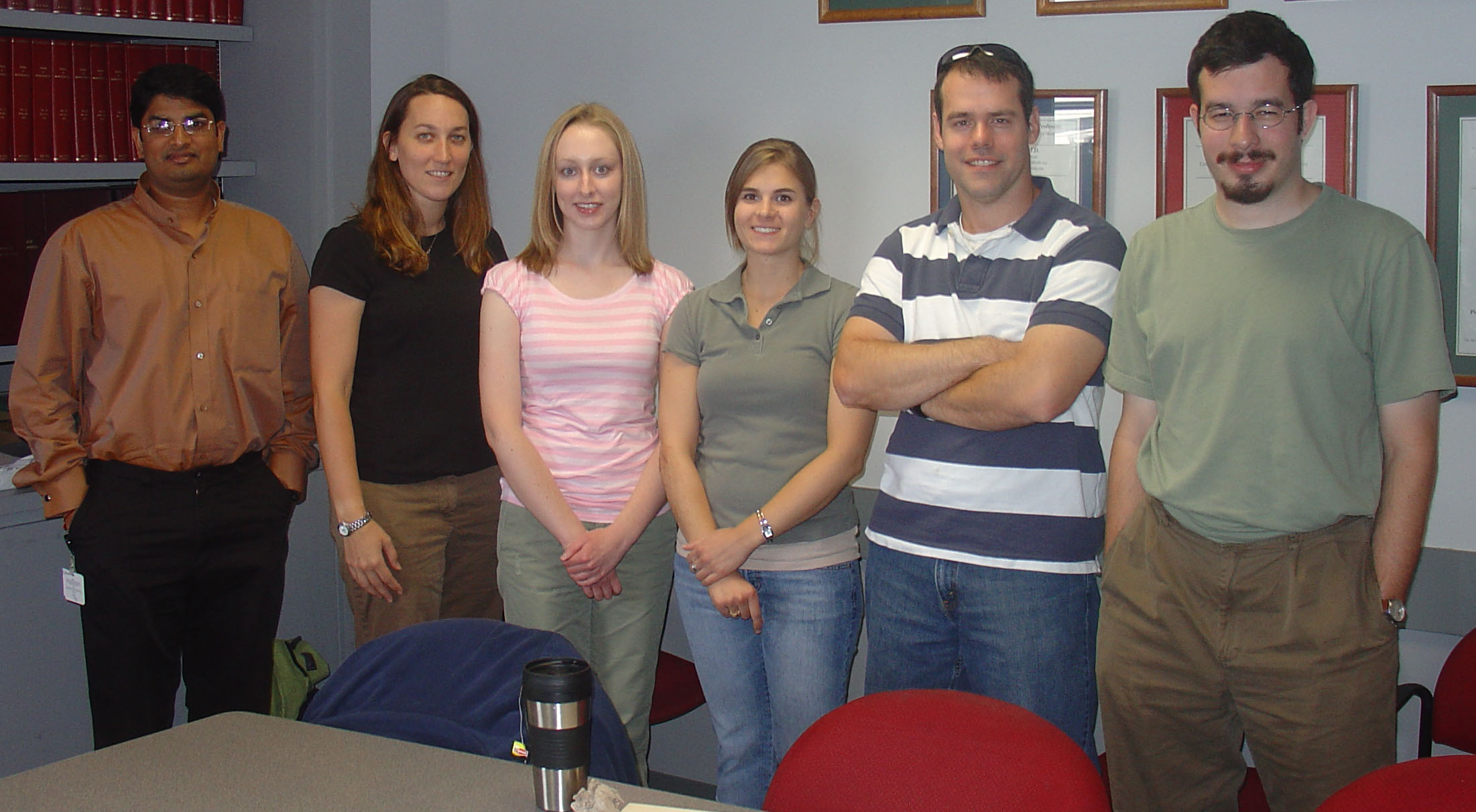 2007 – Hafiz Mohmmad Abdul, Michelle Sama, Diana Mathis, Diana Mathis Sama, Jenny Furman, Chris Norris, Dusan Jeftinija
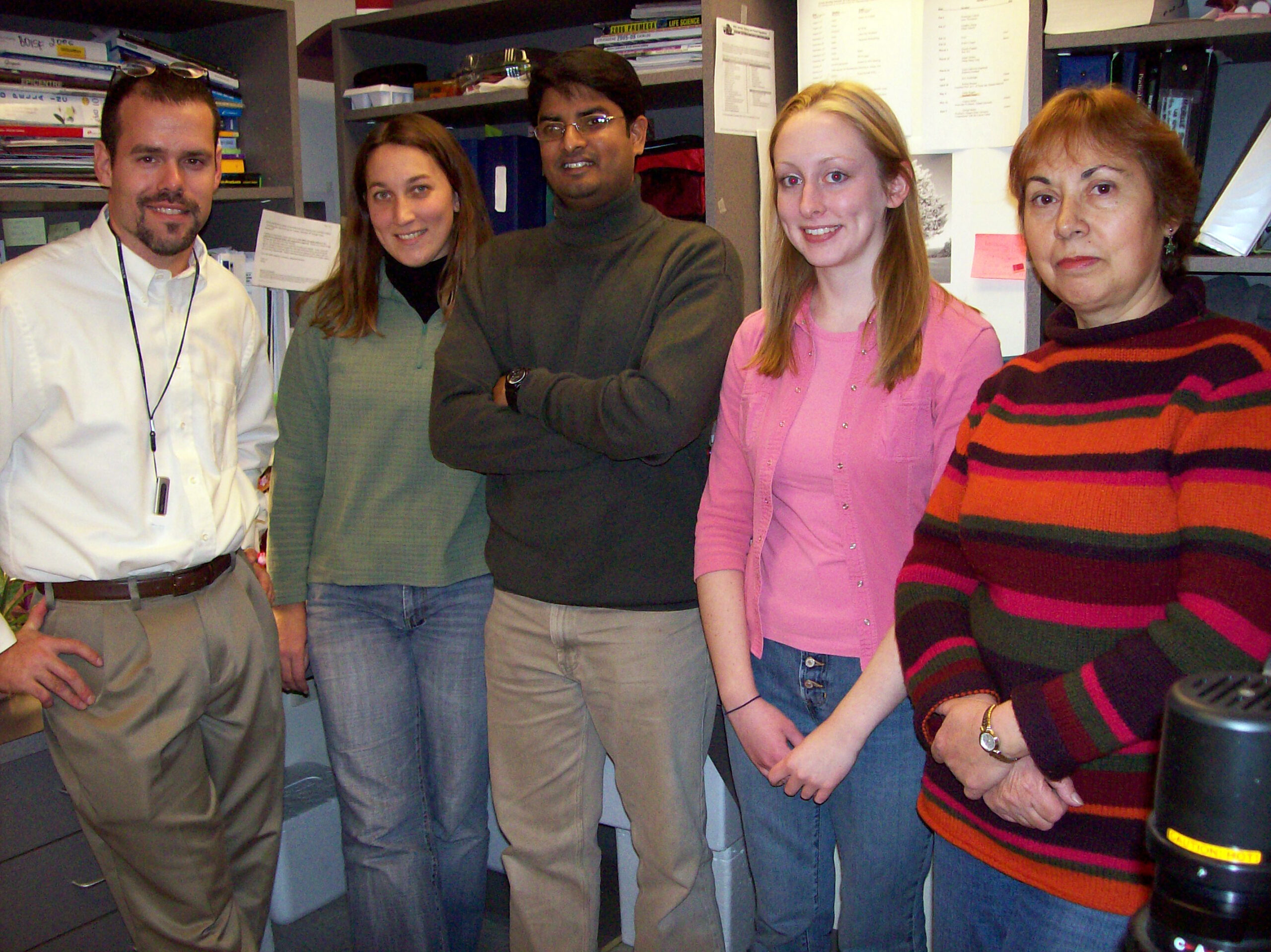 2006 – Chris Norris, Michelle Sama, Hafiz Mohmmad Abdul, Diana Mathis Sama, Irina Artiushin
Norris Lab Hard at Work & Play
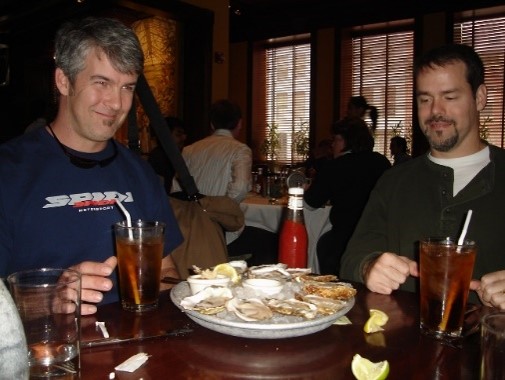
Chris G. and Chris N. getting ready to dig into some oysters at SFN in DC
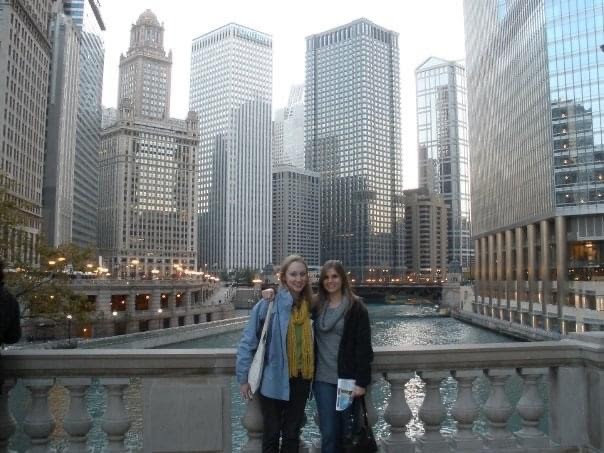
Diana and Jenny in Chicago for SFN
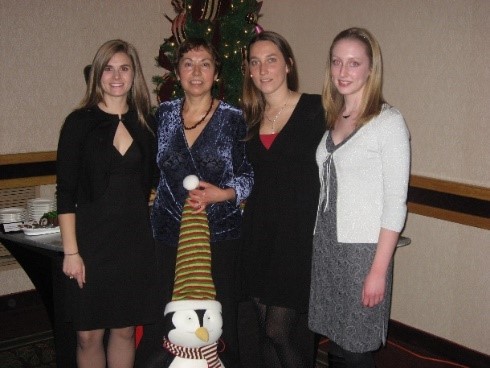
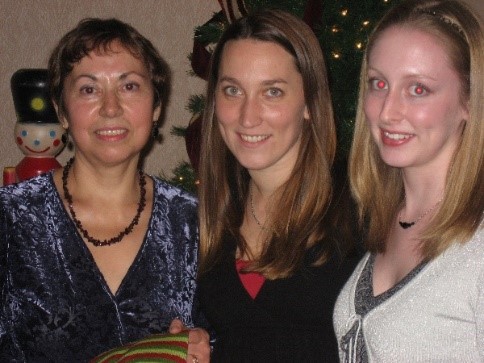
Jenny, Irina, Michelle, and Diana hanging at a Holiday party
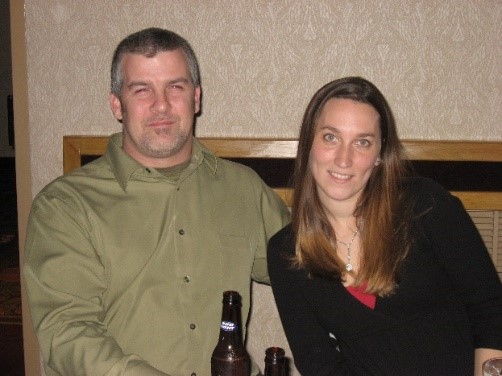
Chris G and Michelle hanging out
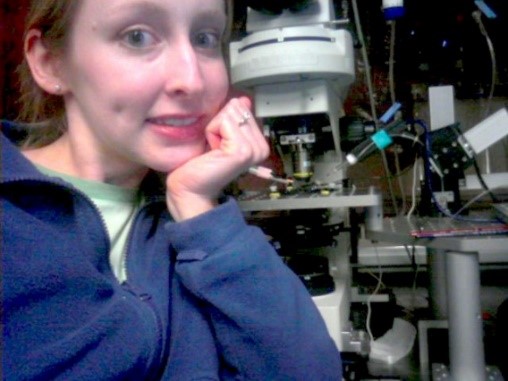
Diana spending a late night at the rig
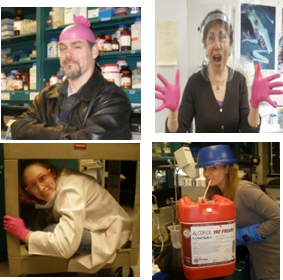
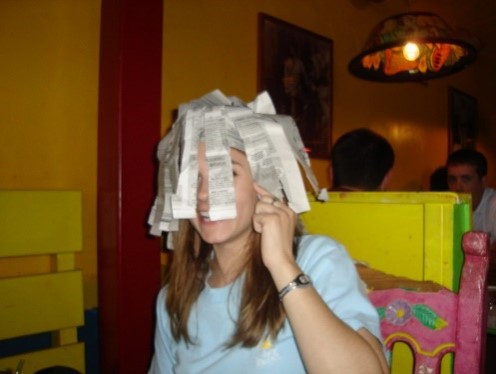
Getting a little silly in lab - Top: Chris and Irina; Bottom: Diana and Jenny (and no Jenny isn’t really drinking the “lab use only” ethanol!)
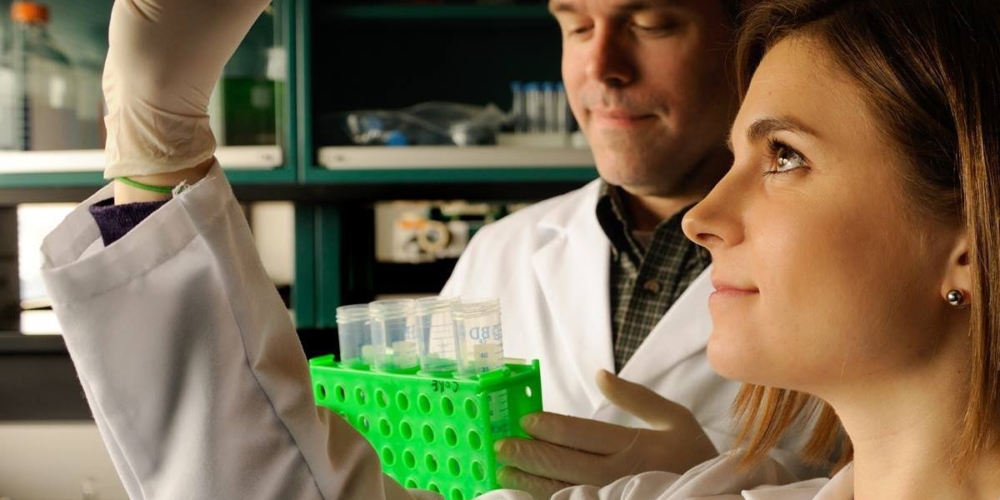
Jenny and Chris in the lab
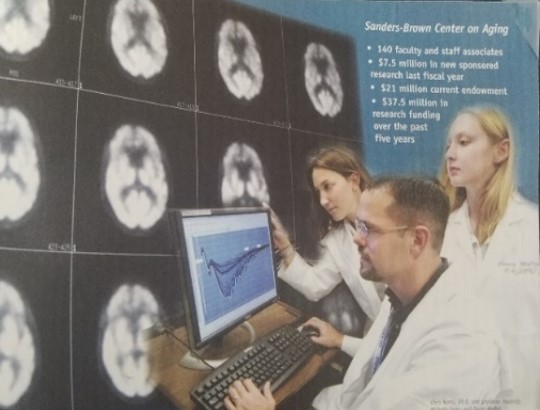
Michelle, Chris, and Diana looking at EPSPS!
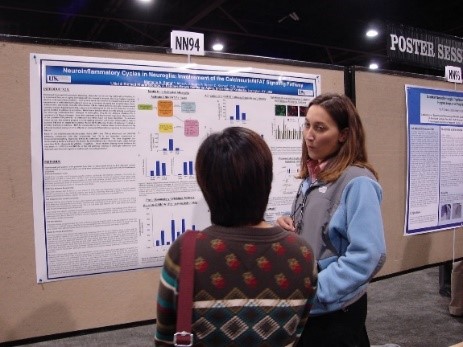
Michelle at her poster at SFN in Atlanta
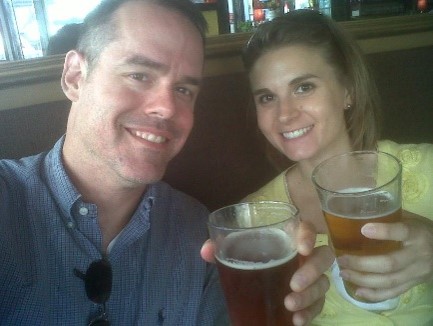
Chris and Jenny drinking beer at AAIC in Vancouver
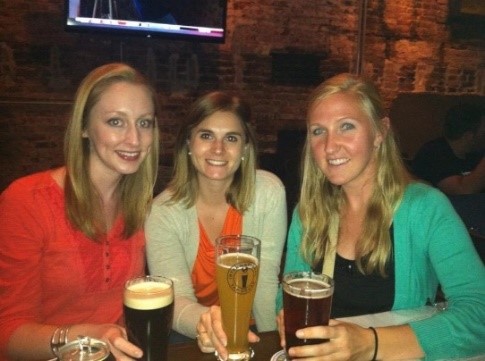
Diana, Melanie, and Jenny in New Orleans for SFN
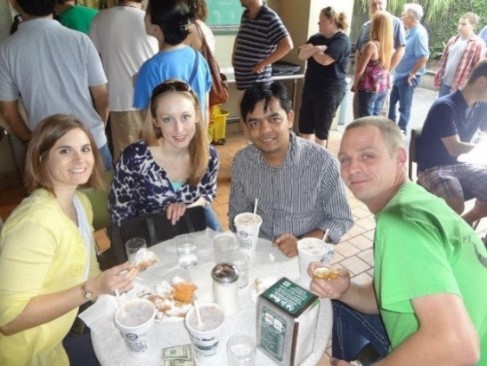
Diana, Jenny, and Colin enjoying beignets in New Orleans for SFN
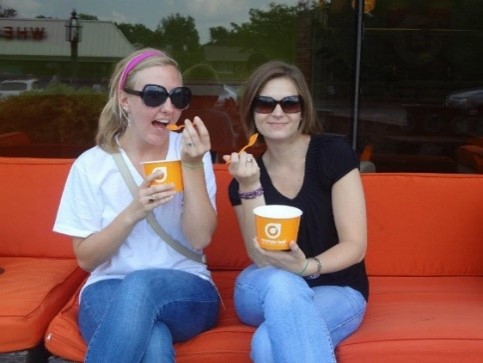
Melanie and Jenny enjoying frozen yogurt!
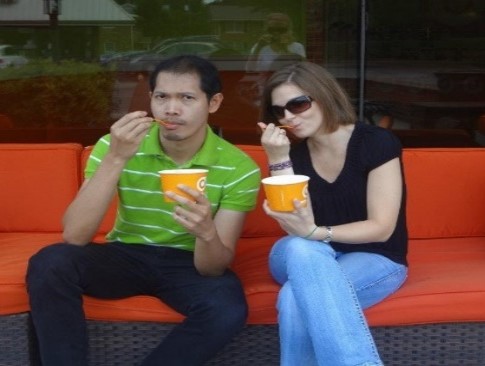
Not sure if Bob likes his frozen yogurt!
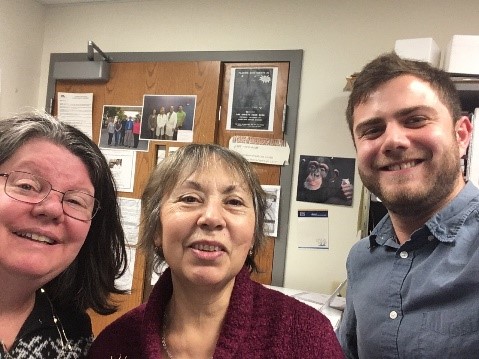
Susan, Irina, and Blaine selfie
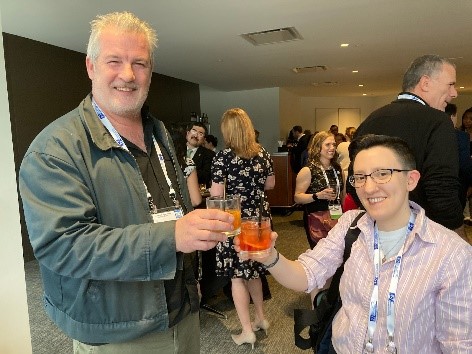
Chris G. and Hillaree at the 2023 ASN cocktail reception
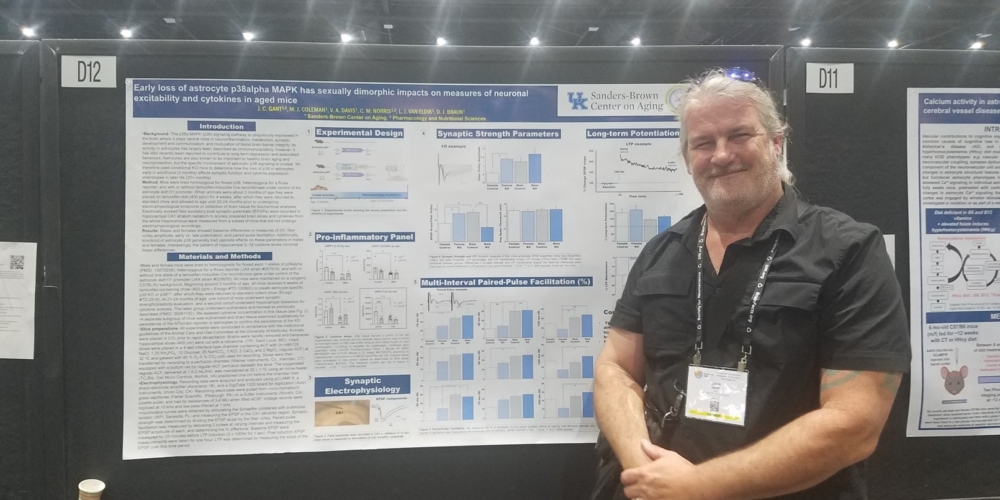
Chris G. at SFN 2022 in San Diego
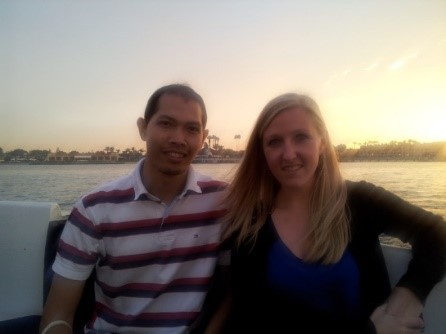
Bob and Melanie at SFN, taking a ferry across the San Diego Bay

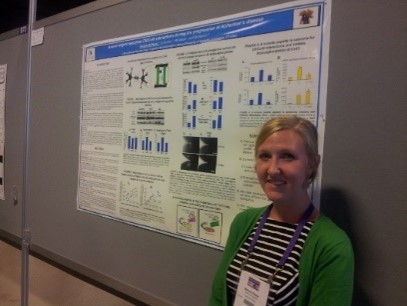
Melanie at her AAIC poster in Copenhagen
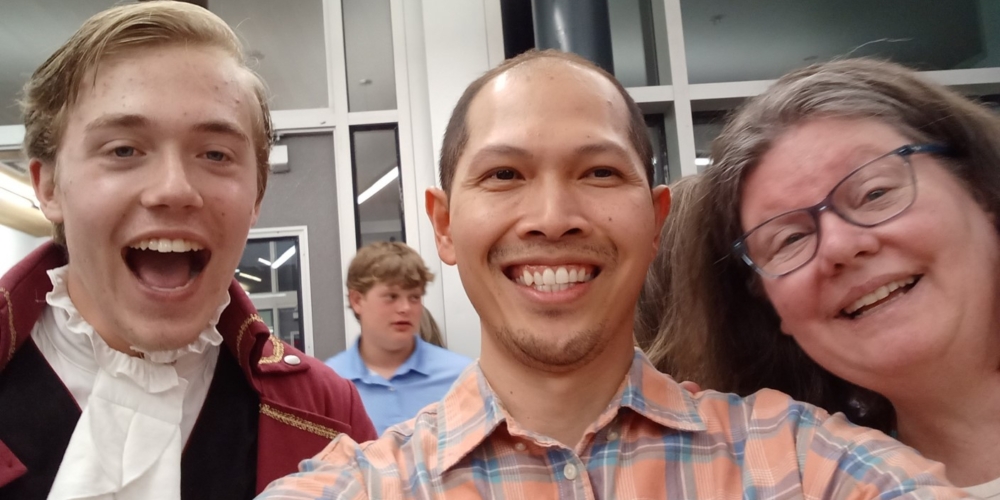
Ethan Norris, Bob, and Susan
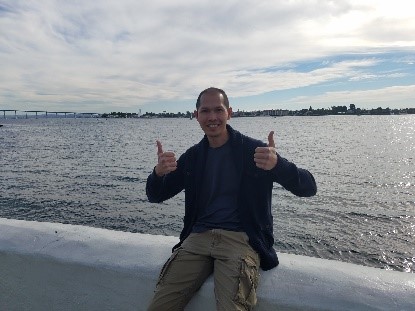
Bob giving the thumbs up at SFN 2022 in San Diego
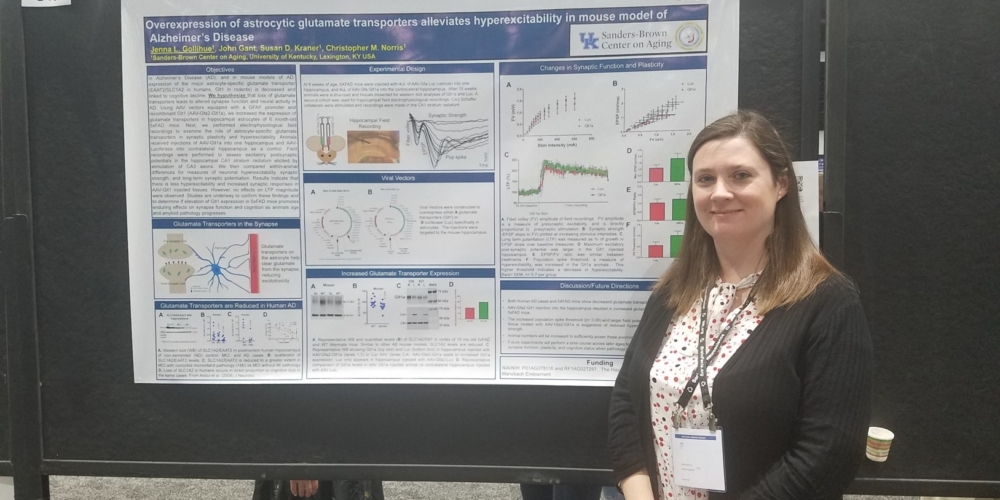
Jenna at SFN 2022 in San Diego
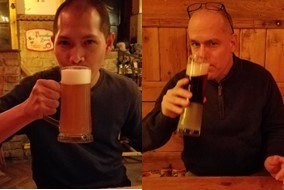
Bob and Chris enjoying local beers at ADPD in Vienna
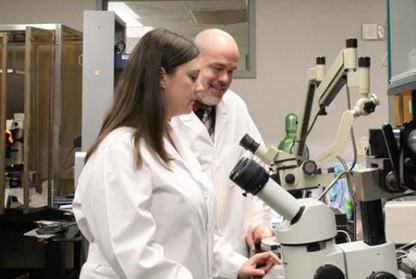
Jenna and Chris at the microscope!
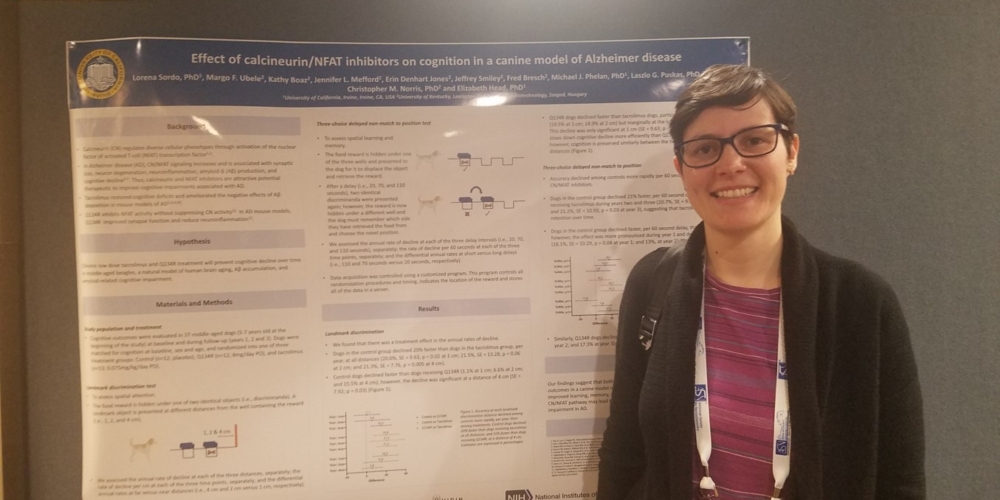
Lorena at her poster at ASN 2023
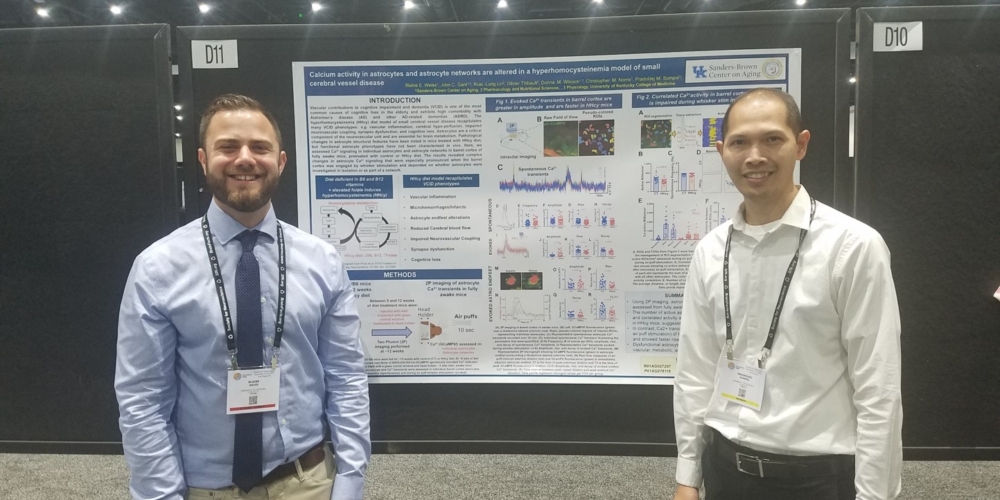
Blaine and Bob at SFN 2022 in San Diego
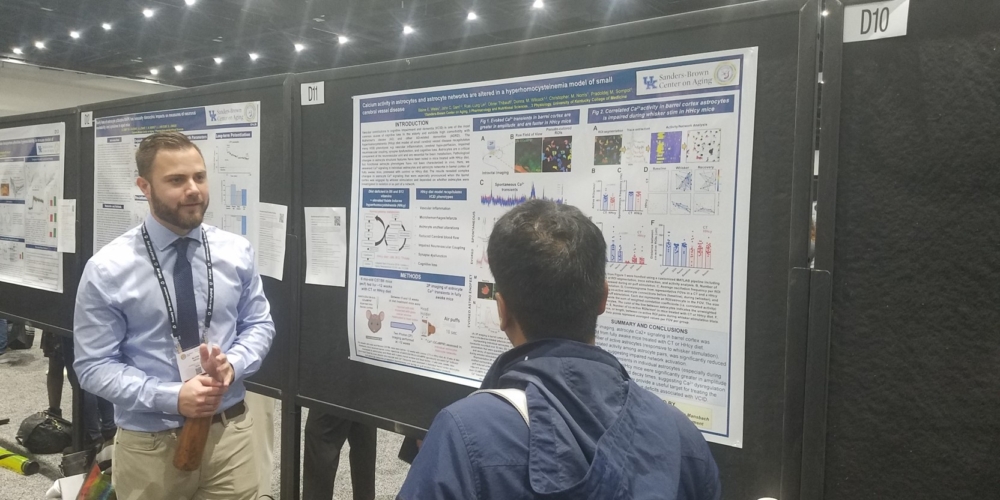
Blaine and at SFN 2022 in San Diego